As of June 2025, 854,876 refugees and asylum seekers were in Kenya, with Dadaab (432,480), Kakuma (224,721), and the Kalobeyei Integrated Settlement (79,867), being the main locations. As per the REACH Multi-Sector Needs Assessment (MSNA, June 2025), these communities are more vulnerable as the conflict between the regions and insufficient humanitarian funding are increasing.
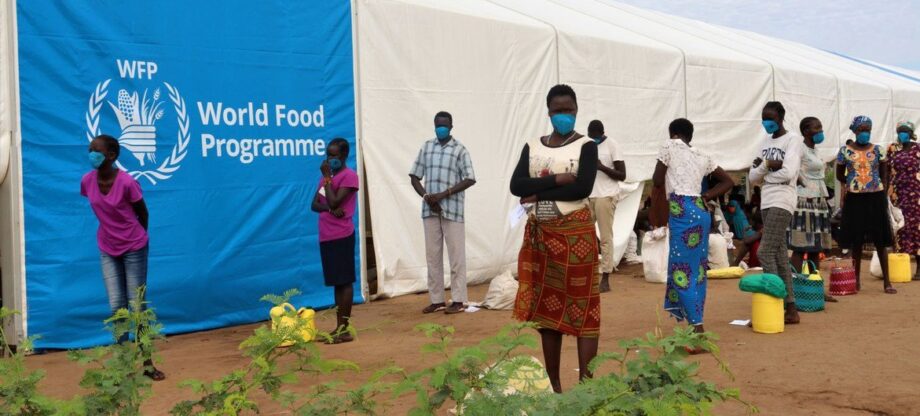
World Food Programme (WFP) restricted the cash funding to a level that was as low as 28% of the minimum food basket, which has compelled most households to rely on in-kind donations, borrowings, and purchases with credit cards (WFP, 2025). Subsequently, food is the number one need not met among refugee households, and the development reflects the progress in 2024 and indicates the intensified food insecurity (REACH, 2025).
Other than food, water availability has become unsustainable. According to the report, 38% of households were faced with inadequate drinking water at least three to four times a month, and 72% of them do not have handwashing facilities, which are extremely dangerous to the population health. Sanitation and disrupted WASH services have resulted in rampant child morbidity and malnutrition – 39% of children below five years old were reported two weeks prior to the survey.
The Shirika Plan (2025) of the Government of Kenya is a possible point of change – the plan seeks to convert refugee camps into settlements, increasing refugee access to national structures and self-sufficiency opportunities. Nonetheless, according to REACH (2025), the success depends on the long-term financing, comprehensive delivery of services, and special protection of vulnerable families.
At Kichata Research Ltd, we appreciate the fact that such evidence-based knowledge as those of the MSNA are crucial to the development of humane and data-driven refugee and host community interventions – so that no one is left behind in the Kenyan process of inclusion and resilience.
Source: REACH (June 2025). Multi-Sector Needs Assessment (MSNA): Refugee Households – Kenya.
Good read. It’s easy to focus on one disaster at a time, but this article shows how multiple crises can happen simultaneously.
Evidence-based planning is exactly what humanitarian organizations need. Decisions backed by research are more likely to produce lasting impact.
Thank you for highlighting this issue. Articles like this help create awareness about challenges that don’t always receive enough public attention.
The section on WASH conditions was particularly concerning. Access to clean water and sanitation should always remain a priority in humanitarian settings.
This is a sobering article. The statistics on food and water access really highlight the importance of sustained humanitarian support. Thank you for sharing these insights.
Thanks for putting this together. I hadn’t seen some of these figures before. The situation sounds much more serious than many people realize, and it’s a reminder that decisions should be based on what is actually happening on the ground.
The funding cuts are really worrying. It’s easy to focus on the numbers, but behind every statistic are families trying to get by. Hopefully the transition plans will be matched with enough support to make a real difference.